

RECONNECT. REBUILD. RENEW
Couples Therapy & Marriage Counselling in Burlington, Hamilton, Oakville & Mississauga
EFT-Informed Support for Rebuilding Trust, Communication, and Connection
Couples therapy and marriage counselling is one of the counselling services in Burlington we offer at Serenity Harbour, for couples in Burlington, Hamilton, Oakville and Mississauga, plus virtual sessions across Ontario. Maybe you keep having the same fight. Maybe you feel more like roommates than partners, or trust has been shaken. Couples counselling helps you see the pattern that keeps you stuck, understand what each of you is really feeling underneath it, and find your way back to each other.
Come Closer, Feel Safer
“The drive to emotionally attach — to find someone we can turn to and say ‘Hold me tight’ — is wired into our genes and our bodies. It is as basic to life, health, and happiness as the drives for food, shelter, or sex.”
Connection isn’t optional. Feeling close and safe with your partner is basic to well-being and happiness.
WHAT COUPLES OFTEN COME TO US WITH
The same fight, over and over Feeling like roommates Walking on eggshells Feeling you’re not a priority
Trust broken by betrayal or affair Intimacy that had faded Old wounds showing up in the relationship
Life stress pulling you apart Preparing for marriage →
How Disconnection Can Show Up
BODY
Your heart races when arguments start
Tension before you even walk in the door
Shutting down, going numb
Lying awake after endless fights that endlessly repeat
RELATING TO OTHERS
One of you pushes to talk and connect, while the other goes quiet
Small things escalate to big fights
Living side by side, yet apart
Reaching out and feeling dismissed or belittled
RELATING TO SELF
“I’m not a priority to my partner”
“I can never get it right”
Lonely, even when you’re together
Afraid that you’re a disappointment, or that you will be left
These patterns are common, and they don’t mean your relationship is broken. Sometimes one partner’s own struggles feed the cycle too. When that’s part of the picture, anxiety and stress counselling, anger management or trauma therapy can work alongside your couples sessions.
The Cycle, Not Your Partner, Is the Problem
ON PARTNER
Reaches Harder__________
ON THE SURFACE
Pushes to talk, criticizes, protests, asks again - louder.
UNDERNEATH
“I’m alone in this. Do I matter to you"?”
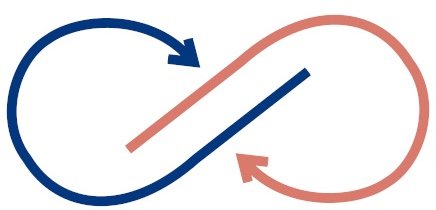
The more one reaches, the more the other retreats — and round it goes.
THE OTHER PARTNER
Steps Back___________
ON THE SURFACE
Goes quiet, deflects, explains, jokes, or leaves the room and withdraws
UNDERNEATH
“I can’t get it right. I don’t want to let you down.”
Both partners are trying to protect the relationship — just in opposite ways. In therapy, the cycle becomes the shared problem you face together, instead of each other. Read more about breaking the conflict cycle
Our Approach to Couples & Marriage Therapy
Emotion-Focused Couples Therapy (EFCT) Informed
My couples work is grounded in Emotionally Focused Therapy, built on attachment science: the understanding that we all need to know our partner is there for us. The goal isn’t to decide who’s right. It’s to understand the pattern you’re both caught in, reach the feelings and needs underneath it, and build new moments of closeness that feel safe for both of you. Learn more about how EFT helps couples reconnect.
Where it helps, I also draw on Internal Family Systems (IFS) to understand the protective “parts” each partner brings — often shaped long before you met. The work is trauma-informed, nonjudgmental, and paced so that both of you feel safe enough to be honest.
Emotionally Focused (EFT) Attachment-Based IFS-Informed
Trauma-Informed
-
We slow down your arguments to see the pattern underneath them: what sets it off, what each of you does next, and how it ends. Once the cycle has a name, it becomes easier to catch — and it stops being anyone’s fault.
-
Anger, criticism or silence are often protecting softer feelings: loneliness, fear of rejection, or fear of failing your partner. We help each of you notice and share those feelings, so your partner can finally hear what you’ve been trying to say.
-
Rather than only talking about your relationship, we practise new ways of turning toward each other in session — asking for what you need and responding with care. These moments build the trust that carries into daily life.
-
How we learned to cope in our families growing up often shows up in our closest relationship. We connect those early experiences to today’s reactions, so you can meet each other with compassion instead of blame. When one partner’s past needs more focused attention, trauma therapy can sit alongside couples work.
-
After an affair, secrecy or another breach of trust, we work at a careful pace: making room for the hurt partner’s pain, helping the other partner respond to it, and slowly rebuilding safety. See affair recovery counselling.
-
Physical and sexual closeness often fades when emotional safety does. We look at intimacy as part of your overall bond, helping you feel safe enough to reach for each other again.
-
A health scare, a job change, money worries, a new baby or the loss of a parent can turn up the volume on an old cycle. We name how outside stress is landing on your relationship and help you face it as a team. When one or both of you is grieving, grief and life transitions counselling can help alongside your couples sessions.
Each step builds on the last, and we move at a pace that feels safe for both of you.
What Couples Therapy Looks Like, Step by Step
Calm the Cycle
EARLY SESSIONS
We get to know your relationship, its strengths and your goals, including a check-in with each of you. Together we map the cycle and begin to slow it down, so arguments feel less dangerous.
1
Reach for Each Other
AS YOU’RE READY
Each partner shares the feelings and needs in the cycle and learns to respond to the other’s. Old hurts and injuries to trust are worked through, step by step.
2
Make it Last
TOWARD THE END
We put your new patterns into everyday life, revisit old problems from a stronger place, review your goals, and plan how to repair quickly if the cycle shows up again.
3
Every couple is different. We check in regularly about progress and pacing, and taper sessions when you’re ready.
Is Couples Therapy Right for Us?
Couples therapy works best when both partners feel safe to speak honestly. Research shows it can be harmful when there is active violence, abuse or controlling behaviour in the relationship. That’s why safety is part of every assessment. If couples work isn’t the right fit, we’ll talk about what is, such as individual therapy for one or both partners.
Not sure your partner is ready? Many people start on their own. Individual counselling can help you understand your part in the cycle, and your partner can join later. Engaged or newly committed? Premarital counselling helps you build these skills before problems settle in. When the whole household is affected, family therapy can help.
What Change Can Look Like
Progress in couples therapy rarely means never arguing again. More often, it means you can find your way back to each other faster.
“THE SAME FIGHT AGAIN” →
CATCHING THE CYCLE
When the argument has a name
A typical pattern: a disagreement about chores or plans turns into a fight about whether either partner cares. Once the cycle is mapped, a couple can say “we’re in it again,” pause, and come back to what each of them actually needed.
ROOMMATES →
REACHING FOR EACH OTHER
From side by side to face to face
Busy schedules and old hurts can leave partners running a household together but feeling alone. As each partner risks sharing what they miss and fear, small bids for closeness start to be noticed and answered again.
WALKING ON EGGSHELLS →
SAFE TO SPEAK
When the quieter partner finds words
A partner who often goes silent isn’t indifferent—they’re afraid of getting it wrong. When that fear is understood rather than criticized, they can stay in the conversation, and the other partner feels less alone.
These are illustrative examples of common patterns in couples therapy. They are not stories about specific clients and are not client testimonials. Every couple’s experience of therapy is different, and no specific outcome can be promised.
Frequently Asked Questions About Marriage Counselling & Couple Therapy
-
There’s no fixed number — it depends on your relationship’s history, goals, and how things unfold in session. Many couples start with weekly sessions and adjust frequency as they build momentum. We’ll check in regularly about progress and pacing together.
-
Yes. Repeating fights usually follow a pattern, or cycle, where each partner’s way of coping sets off the other’s. Couples therapy helps you see that cycle, understand the feelings driving it, and step out of it together — even if you’ve felt stuck for years.
-
That’s very common. Going quiet is often a way of trying to keep the peace or avoid making things worse. We slow things down so the quieter partner can find words for what’s happening inside, and so the other partner can hear it without feeling shut out.
-
Many couples rebuild trust after an affair or another betrayal. The work is paced carefully: the hurt partner’s pain is heard and taken seriously, the other partner learns to respond to it, and safety is rebuilt step by step. Whether to stay together is your decision; therapy helps you make it with clarity.
-
It’s common for one partner to feel more ready than the other. We’re happy to talk this through in a free consult — sometimes starting with individual counselling is a helpful first step while the other partner considers joining later.
-
Virtual sessions can be a good fit for many couples, particularly when schedules, location, or comfort make in-person sessions harder. We offer both options across Ontario so you can choose what works for your relationship.
-
We see couples in person at our Burlington office on South Service Road and our Mississauga office on Southdown Road, near the Oakville border. Both are convenient for couples from Hamilton and Oakville, and secure virtual sessions are available across Ontario.
-
Yes — we offer counselling in both English and Arabic. Let us know your preference when you book.
-
A free consult is a short conversation to talk about what’s bringing you to therapy, answer your questions, and see whether our approach feels like a good fit — no pressure to commit.
-
Fees are discussed during your free consult, or visit our Fees & Insurance page for current rates. Please ask about our sliding scale fees.
-
Yes. We follow Ontario’s privacy legislation (PHIPA) to protect your information. Confidentiality has some legal exceptions (such as risk of harm) — we’re happy to explain these in your first session.
Written from the practice of Michael Wassef, MDiv, BEng, Registered Psychotherapist. Michael’s couples work draws on Emotionally Focused Couples Therapy (Sue Johnson), attachment theory and Internal Family Systems.
RELATED SERVICES & AREAS OF FOCUS
Reconnect & Rebuild Intimacy
ake the first step with a free, no-pressure consult. We’ll talk about what’s happening between you and how we can work on it together — at a pace that feels safe for both of you.