

NAME THE CYCLE. SLOW IT DOWN. REACH FOR EACH OTHER.
Couples Communication & Conflict Counselling in Burlington, Hamilton, Oakville & Mississauga
Breaking the Conflict Cycle with Emotionally Focused Couples Therapy (EFT)
Breaking the conflict cycle is at the heart of our couples therapy and marriage counselling at Serenity Harbour, for couples in Burlington, Hamilton, Oakville and Mississauga, plus virtual sessions across Ontario. If you keep having the same fight — about chores, money, family or “nothing at all” — and it ends the same way every time, you’re not alone. Most couples who come to us already have plenty of communication tips. They’re caught in a pattern that takes over whenever they feel disconnected. Counselling helps you see that pattern, slow it down, and find your way back to each other.
It’s Rarely About the Dishes
“After a while, all it takes is a hint of negativity from a lover to set off a Demon Dialogue”
The topic changes. The pattern doesn’t. Underneath most repeated fights is a simple question: “Are you there for me?”
WHAT COUPLES OFTEN COME TO US WITH
The same fight, over and over Small things blowing up fast One partner shutting down Walking on eggshells
Talking without feeling heard Feeling more like roommates Not feeling like a priority
How the Conflict Cycle Shows Up
BODY
Heat, a racing heart or a tight chest as an argument starts
Feeling flooded, or going blank and numb
Feeling drained for hours afterwards
Tensing up when your partner walks in the door
RELATING TO OTHERS
Small comments turning into big fights within minutes
One pushes to talk, the other goes quiet
Criticism, sarcasm or eye-rolling creeping in
Living side by side but feeling far apart
RELATING TO SELF
“I don’t matter to you”
“Nothing I do is ever enough”
Wondering if you’re the problem
Choosing every word carefully to avoid a blow-up
These patterns are common, and they don’t mean your relationship is failing. They usually mean you both care and are protecting yourselves in ways that keep you from missing each other. When anger takes over quickly, anger management counselling can add skills for the moment; when constant worry fuels the fights, so can anxiety and stress counselling.
Inside the Pursue–Withdraw Cycle
The most common pattern we see is that one partner reaches harder, the other steps back further—and each move sets off the other.
THE PARTNER WHO REACHES
Pushes for Connection_________
ON THE SURFACE
Criticizes, raises the volume, follows from room to room, asks again.
OFTEN FEELS LIKE
Frustrated, anxious, alone.
UNDERNEATH
“Do I matter to you? Will you be there when I need you?”
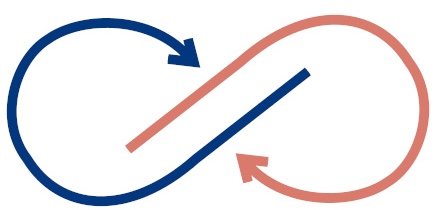
The more one reaches, the more the other retreats — and round it goes.
THE PARTNER WHO STEPS BACK
Pulls Back to Keep the Peace____
ON THE SURFACE
Goes quiet, explains, fixes, jokes, or leaves the room.
OFTEN FEELS LIKE
Overwhelmed, criticized, shut down.
UNDERNEATH
“I can’t get it right. I don’t want to let you down”
Neither of you is the bad guy. The cycle is. Once you both see it, it becomes a shared problem you face together—not each other.
Three Ways Couples Get Stuck
Emotionally Focused Therapy describes three common patterns. Most couples recognize themselves in at least one.
ATTACK - ATTACK
FINDING THE BAD GUY
Both partners blame and criticize, each trying to prove the other is the problem. Arguments escalate quickly, leaving both feeling attacked.
PURSUE - WITHDRAW
REACHING AND RETREATING
One partner protests the distance and pushes for a response; the other shuts down to avoid more conflict. The most common pattern of all.
WITHDRAW - WITHDRAW
FREEZING AND FLEEING
Both partners have stopped reaching. Things are calm on the surface, but you feel like polite roommates, and loneliness grows quietly.
Sue Johnson calls these the “Demon Dialogues” in Hold Me Tight. Whatever your pattern, the goal is the same: to recognize it early and find a different way back to each other.
Our Approach to Breaking the Conflict Cycle
Changing the Dance, Not Just the Words
Communication tips often fall apart in the heat of the moment because the fight isn’t really about technique. Emotionally Focused Couples Therapy (EFT) works with the emotions and attachment needs that drive the cycle. We slow things down, help each of you understand your own moves and your partner’s, and create new conversations where reaching out and responding feel safe.
When old wounds make a moment hit harder, we draw on attachment work, Internal Family Systems (IFS), and practical calming skills to help when either of you feels flooded. Our introduction to Emotionally Focused Couples Therapy explains the approach in more detail.
Emotionally Focused (EFT) IFS-Informed Attachment-Based
De-escalation Skills
-
Together we trace a recent fight step by step: what set it off, what each of you did, and what you felt. Most couples are surprised by how predictable the pattern is, and relieved to find that neither of them is the villain.
-
Anger, criticism and silence are usually the surface. Underneath are softer feelings like hurt, fear, loneliness or shame. Naming them changes how your partner hears you, and how they respond.
-
You’ll learn to spot the first signs that the cycle is starting, pause, and name it: “I think we’re in our pattern.” Short, agreed breaks and calming skills help when either of you feels flooded, so you can come back to the conversation instead of escalating.
-
The partner who steps back often has a lot to say but needs more time and safety to say it. We slow the pace so both voices are heard, and so the partner who reaches no longer has to chase.
-
With support, you practise turning toward each other in session: asking for what you need directly, and responding with care. These new conversations, repeated over time, are what change the cycle.
-
Many of our moves were learned long before this relationship, in families where it didn’t feel safe to need someone or to disagree. Understanding that history helps you respond to each other with compassion instead of blame. When old hurts run deep, trauma therapy can be part of the work.
-
Disagreements don’t disappear. What changes is how you handle them: staying connected while you work through real differences about money, time, parenting or family, and repairing quickly when things go wrong.
What Breaking the Cycle Looks Like, Step by Step
The same three steps as in our couples therapy, focused on the pattern that keeps you stuck. Each step builds on the last.
Calm the Cycle
EARLY SESSIONS
We get to know you as a couple, including a check-in with each partner individually. We map your cycle together and learn to catch it early, so fights become less frequent and less intense.
1
Reach for Each Other
AS YOU’RE READY
We explore the feelings and needs underneath your moves, and practise new conversations where each of you can ask for what you need and respond with care.
2
Make it Last
TOWARD THE END
You use your new way of connecting to work through old sore spots and practical problems, review your goals, and plan what to do if the cycle shows up again.
3
Old patterns can still flare under stress. The difference is that you’ll recognize them, and find your way back to each other sooner.
When Couples Work Isn’t the Right First Step
Conflict that includes violence, threats, intimidation or controlling behaviour is not a communication problem, and couples therapy isn’t safe in that situation. Safety is part of every assessment. If you feel afraid of your partner, you can reach out on your own, and we’ll talk confidentially about options and support. If you are in immediate danger, call 911.
Sometimes one partner isn’t ready to come in. You can still start on your own: individual counselling can help you understand your part in the cycle and change how you respond, which often shifts the whole pattern.
What Change Can Look Like
Breaking the cycle doesn’t mean you’ll never argue. It means the pattern stops running your relationship.
THE SAME FIGHT → A NAMED PATTERN
When “we’re doing it again” stops a fight
A typical pattern: an argument about chores escalates within minutes, every time. Once both partners see the cycle, one says, “I think we’re in our pattern,” and the fight loses its grip before it takes over.
SHUTTING DOWN → SPEAKING UP
When the quieter partner finds words
A partner who used to leave the room learns to say, “I’m overwhelmed, and I need a few minutes, but I’m coming back.” The other partner no longer has to chase, and both feel less alone.
ROOMMATES → A TEAM AGAIN
TURNING TOWARDS EACH OTHER
Couples who have drifted into parallel lives often start with small moments: a real check-in at the end of the day, a need shared gently instead of as a complaint. Over time, those moments add up.
These are illustrative examples of common patterns in couples therapy. They are not stories about specific clients or client testimonials. Every couple’s therapy experience is different, and no specific outcome can be promised.
Frequently Asked Questions About Couples Communication and Conflict
-
Because the fight usually isn’t really about the topic. It’s about a pattern, or cycle, that takes over when one or both of you feel disconnected, criticized or alone. Until the cycle is named and understood, it tends to repeat no matter what the argument is about.
-
Skills help, but they often fall apart when emotions run high. Our work focuses on the emotions and needs that drive the cycle, so new ways of talking feel natural rather than scripted. You’ll also learn practical ways to pause and calm down when you feel flooded.
-
It’s the most common pattern in couples. One partner reaches harder for connection by pushing, criticizing or asking again, while the other steps back to keep the peace by going quiet or leaving. Each partner’s move makes the other’s stronger. Both are usually trying to protect the relationship, in opposite ways.
-
Yes. Shutting down is often a way of coping with feeling overwhelmed or criticized, not a sign of not caring. We slow things down so the quieter partner has the time and safety to find their words, and so the other partner can hear them.
-
No. All couples disagree. What matters is whether you can stay connected through a disagreement and repair afterwards. Counselling helps you argue in a way that doesn’t leave either of you feeling alone or attacked.
-
Emotionally Focused Couples Therapy (EFT), an approach to couples work grounded in attachment research, with Internal Family Systems (IFS) and practical calming skills where they help. Our couples therapy page explains the wider approach.
-
No. We don’t take sides or referee arguments. The cycle is treated as the problem, not either partner, and both of you are treated with respect.
-
You can start on your own. Individual counselling can help you understand your part in the cycle and change how you respond, which often shifts the pattern. Your partner is welcome to join later.
-
Please tell us. Couples therapy isn’t safe when there is violence, threats or controlling behaviour, so safety is part of every assessment. If you’re afraid of your partner, you can reach out on your own and we’ll talk confidentially about options. If you are in immediate danger, call 911.
-
There’s no fixed timeline. Some couples notice fights becoming less intense once the cycle is named; deeper change takes longer. We check in regularly about progress, and many couples start with weekly sessions.
-
Yes. We see couples in person at our Burlington and Mississauga offices — convenient for Hamilton and Oakville too — and offer secure virtual sessions across Ontario. Sessions are also available in Arabic.
-
Fees are discussed during your free consult, or visit our Fees & Insurance page for current rates. Please ask about our sliding scale fees.
Written from the practice of Michael Wassef, MDiv, BEng, Registered Psychotherapist. Michael’s couples work draws on Emotionally Focused Couples Therapy (Sue Johnson), attachment theory and Internal Family Systems.

RELATED SERVICES & AREAS OF FOCUS













Step Out of the Cycle, Together
Take the first step with a free, no-pressure consult. We’ll talk about the pattern you keep getting caught in and how we can help you find your way back to each other.