

FACE THE HURT. REPAIR THE BOND. DECIDE YOUR FUTURE.
Affair Recovery & Infidelity Counselling in Burlington, Hamilton, Oakville & Mississauga
EFT-Informed Support for Couples Healing from an Affair or Betrayal
Affair recovery counselling is part of our couples therapy and marriage counselling at Serenity Harbour, for couples in Burlington, Hamilton, Oakville and Mississauga, plus virtual sessions across Ontario. Discovering an affair or a serious betrayal can turn your world upside down. Whether you were hurt or you broke the trust, counselling offers a steady, structured place to face what happened, understand it, and decide — with clarity — what comes next.
A Betrayal Is an Injury to the Bond
“Partners often try to handle relationship injuries by ignoring or burying them. That is a big mistake. … Unresolved traumas do not heal. … Sometimes partners do succeed in compartmentalizing traumas, but this results in a cool and distant relationship. And the barricade works only for a while.”
When the person you rely on most is also the source of the hurt, the shock reaches deep. That reaction isn’t weakness. It shows how much the relationship matters.
BETRAYALS WE HELP COUPLES HEAL FROM
A physical affair An emotional affair
Online relationships Hidden apps or pornography
Hidden spending or debt Lies discovered after the fact Being abandoned at a moment of real need
How Betrayal Can Show Up
BODY
Shock, nausea or a racing heart when it comes to mind
Trouble sleeping, eating or concentrating
Feeling on high alert, scanning for signs
Images or thoughts that replay without warning
RELATING TO OTHERS
Checking phones, messages or whereabouts
The same questions asked again and again
Calm days suddenly explode at a reminder
One partner pressing to talk, the other wanting to move on
RELATING TO SELF
Doubting your own judgments and memories
“Was I not enough?”
Not knowing whether to stay or to go
Shame and guilt that make it hard to face your partner
These reactions are common after a betrayal, and many of them look like the body’s response to trauma. They tend to ease as safety is rebuilt. If they stay intense, trauma therapy or anxiety and stress counselling can support you alongside couples work.
Two Very Different Kinds of Pain
Recovery asks each partner something different. Our work makes room for both, without taking sides.
THE PARTNER WHO WAS HURT
Needs the Hurt to be Seen_______
OFTEN FEELS
Shock, anger, grief, and a relentless need for answers that won’t go away
UNDERNEATH
“Can I ever feel safe with you again?”
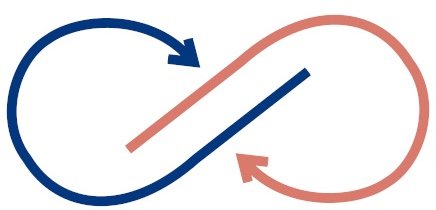
Healing happens in the space between — when the hurt is heard and answered.
THE PARTNER WHO BROKE THE TRUST
Needs a Way to Make Amends___
OFTEN FEELS
Shame, guilt, a wish to move on quickly, or to defend and explain.
UNDERNEATH
“Will anything I do ever be enough?”
When the hurt partner’s pain is truly heard, and the other partner can stay present with it instead of defending or withdrawing, the injury can begin to heal. The same patterns that keep couples stuck in ordinary conflict often show up here too; read more about breaking the conflict cycle
Our Approach to Affair Recovery
Healing Attachment Injuries, EFT-Informed
In Emotionally Focused Therapy, an affair or betrayal is understood as an attachment injury: a moment when a partner wasn’t there or broke trust when it mattered most. These injuries don’t heal by being forgotten or argued over. They heal through a specific kind of conversation, where the hurt is fully heard, and the partner who caused it responds with genuine care and responsibility.
The pace is careful and steady. We stabilize the crisis first, then work through the injury step by step, so neither of you is pushed faster than you can safely go. The work is nonjudgmental and trauma-informed, and it draws on IFS where old wounds make the injury hit harder.
Emotionally Focused (EFT) Attachment Injury Repair
Trauma-Informed IFS-Informed
-
The first weeks after discovery can feel chaotic. We focus on calming the crisis: how to talk without making things worse, how to care for yourselves and any children, and what each of you needs to feel safe enough to begin, including where things stand with the affair.
-
The hurt partner usually needs honest answers. We help you ask the questions that matter for healing, and help your partner answer them truthfully, without a flood of detail that keeps the injury raw.
-
The hurt partner is helped to share not only anger, but the fear, grief and loneliness underneath it. The other partner learns to stay present with that pain instead of defending, minimizing or shutting down.
-
Real repair goes beyond “I’m sorry.” It means acknowledging the impact, showing that you understand it, and offering comfort in a way your partner can take in. These moments are often the turning point in recovery.
-
When you’re both ready, we look at the distance, unmet needs or life stresses that came before the betrayal. This is never to excuse it or shift blame, but so that you can build something stronger than what you had. Our couples therapy page explains the wider approach.
-
Trust returns through consistent actions over time. Together we agree on what openness, check-ins and reassurance look like for you, and how to handle the hard days when something brings it all back.
-
Not every couple stays together, and that decision belongs to you. Counselling helps you make it with clarity rather than in the middle of a crisis. If the relationship ends, grief and life transitions counselling can support you through the separation.
What Affair Recovery Looks Like, Step by Step
Each step builds on the last. We move at a pace that keeps both of you safe enough to stay in the work.
Steady the Crisis
EARLY SESSIONS
We listen to both of you, check in with each partner individually and together, assess safety, and agree on what needs to happen for the work to begin. We calm the crisis and plan for the hardest moments.
1
Heal the Injury
AS YOU’RE READY
The hurt is fully heard, honest questions are answered, and the partner who broke the trust takes responsibility and responds with care. Step by step, you can talk about the injury together.
2
Rebuild and Renew
TOWARD THE END
We strengthen everyday trust and closeness, address what made the relationship vulnerable, review your goals, and plan how you’ll handle reminders and anniversaries in the future.
3
Recovery is rarely a straight line. Setbacks and hard days are expected, and they aren’t a sign that it isn’t working.
When Couples Work Isn’t the Right First Step
Affair recovery works best when the affair has ended, and both partners want to try. If it is still going on, or one of you is undecided, we can talk about what is possible right now. Couples therapy is not safe when there is violence, abuse or controlling behaviour in the relationship.
Either partner can also start on their own. Individual counselling can help the hurt partner steady themselves and think clearly, or help the partner who strayed understand what happened and how to make amends. If you see us individually during couples work, we’ll explain how we handle information shared one-on-one
What Change Can Look Like
Recovery doesn’t mean forgetting. It means the betrayal stops running your relationship.
QUESTIONS ON REPEAT →
ANSWERS THAT SETTLE
When the need to know eases
A typical pattern: the hurt partner asks the same questions late at night, and every answer starts a new fight. When the questions are answered honestly, in a setting that feels safe, the need to keep asking often softens.
DEFENDING →
STAYING PRESENT
When “sorry” finally lands
A partner who keeps explaining or pleading to move on can leave the other feeling unheard. Learning to stay with the pain, without defending, often lets an apology be felt for the first time.
“IS IT OVER?” →
A CLEAR DECISION
Choosing with clarity
Some couples spend months in limbo. With the crisis calmer, both partners can see what they truly want, whether that is rebuilding together or separating with respect.
These are illustrative examples of common patterns in affair recovery. They are not stories about specific clients and are not client testimonials. Every couple’s experience of therapy is different, and no specific outcome can be promised.
Frequently Asked Questions About Affair Recovery Counselling
-
Many relationships do, and some become closer and more honest than before. Recovery takes time and commitment from both partners. Counselling can’t promise a particular outcome, but it gives you a structured way to heal the injury and decide your future with clarity.
-
Yes, if you can. The early weeks are often the most chaotic, and support then can keep things from getting worse. Early sessions focus on steadying the crisis, not on making big decisions.
-
Affair recovery works best when the affair has ended, because healing needs a sense of safety. If it hasn’t ended, or one of you is unsure, we can still meet to talk about where things stand and what would need to happen next.
-
Most hurt partners need honest answers about what happened and what it meant. Very graphic detail can keep the injury raw. We help you work out which questions will help you heal, and help your partner answer them truthfully.
-
Yes. Intrusive thoughts, checking and feeling on high alert are common after a betrayal and often resemble a trauma response. They usually ease as safety is rebuilt. If they stay overwhelming, individual support can help alongside couples sessions.
-
Yes. Many people who broke the trust feel deep shame and don’t know how to make things right. Counselling helps you understand what happened, stay present with your partner’s pain, and take part in real repair — whether you come with your partner or start on your own.
-
No. The hurt partner’s pain is taken seriously, and responsibility for the betrayal is clear. At the same time, both partners are treated with respect, and the goal is to understand and heal, not to judge.
-
There’s no fixed timeline. It depends on what happened, how long it lasted, and what your relationship was like before. We check in regularly about progress and pacing, and many couples start with weekly sessions.
-
Yes. We see couples in person at our Burlington and Mississauga offices — convenient for Hamilton and Oakville too — and offer secure virtual sessions across Ontario. Sessions are also available in Arabic.
-
Fees are discussed during your free consult, or visit our Fees & Insurance page for current rates. Please ask about our sliding scale fees.
-
Yes. We follow Ontario’s privacy legislation (PHIPA) to protect your information. Confidentiality has some legal exceptions (such as risk of harm) — we’re happy to explain these in your first session.
Written from the practice of Michael Wassef, MDiv, BEng, Registered Psychotherapist. Michael’s affair recovery work draws on Sue Johnson’s Emotionally Focused Couple Therapy and its approach to healing attachment injuries (Hold Me Tight; The Practice of Emotionally Focused Couple Therapy), together with attachment theory and Internal Family Systems.

RELATED SERVICES & AREAS OF FOCUS













You Don’t Have to Work This Out Alone
Take the first step with a free, confidential consult. We’ll talk about what has happened and what support would help most right now — for both of you, or for you on your own.